
How To Choose the Right Tie for Different Occasions
Have you ever stood in front of your closet, tie in hand, wondering if it’s the right fit for the event you’re about to attend? You’re not alone. Choosing the perfect tie can make or break an outfit, and it’s a skill that even the most fashion-savvy individuals struggle with at times.
But fear not, my sartorially-inclined friends. In this comprehensive guide, we’re going to unravel the art of tie selection, equipping you with the knowledge and confidence to nail that polished, put-together look no matter the occasion. So, without further ado, let’s get started.
Contents
Tie Basics: Understanding the Fundamentals
Before we get into the nitty-gritty of matching ties to different settings, it’s essential to cover the basics. After all, you can’t expect to be a tie master if you don’t have a firm grasp on the fundamentals.
First and foremost, let’s talk about the different tie styles. While the classic necktie is the most common, there are a few other options worth considering:
Bowties: These diminutive accessories add a touch of whimsy and personality to any outfit. Bowties are often associated with formal or black-tie events, but they can also work well in more casual settings, like cocktail parties or hipster-inspired gatherings.
Bolo Ties: Originating in the American Southwest, bolo ties feature a cord or strap that’s secured with an ornamental slide or clasp. They’re a unique and eye-catching choice, often seen in Western-themed events or casual outdoor affairs.
Once you’ve decided on the tie style, it’s time to consider the details. Tie width can range from a slim 2-inch to a bold 4-inch, with the standard being around 3.25 inches. As a general rule, wider ties tend to work better for taller, broader-shouldered individuals, while slimmer options are more flattering on smaller frames.
Next up, tie length. The goal is for the tip of the tie to hit just at your belt buckle or waistband when standing naturally. Any shorter and you’ll look like you’ve outgrown your tie; any longer, and you’ll risk looking sloppy.
Fabric is another important factor. Silk is the classic choice, offering a luxurious sheen and excellent drape. Cotton and polyester blends are also popular, as they’re durable and easy to care for. Wool ties can add some extra warmth and texture, making them a great option for colder weather.
Now that we’ve covered the basics, let’s dive into the meat of the matter: choosing the perfect tie for any occasion.
Formal Events
When it comes to formal events, such as weddings, galas, or black-tie affairs, you’ll want to err on the side of elegance and sophistication. After all, these are the kinds of occasions where all eyes will be on you, so you’ll want to make sure your tie choice is nothing short of impeccable.
For the most formal of events, a classic black or navy tie is the way to go. Opt for a silk or satin finish to really elevate the look. If you’re feeling particularly daring, a subtle pattern like a tiny dot or micro-check can add a touch of visual interest without being too bold.
Another formal favorite is the bow tie. These diminutive accessories instantly lend an air of refinement and old-world charm. They’re the perfect choice for black-tie galas, formal weddings, or even high-profile business events. Just be sure to master the art of tying a perfect bow – it’s a skill that takes some practice, but it’s well worth the effort.
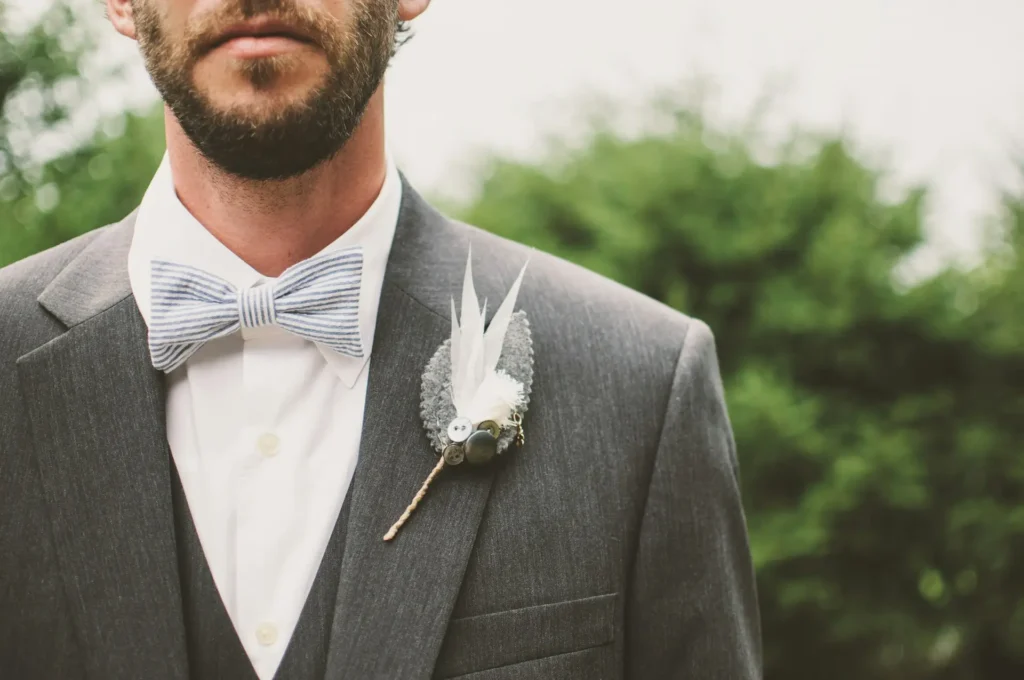 When it comes to color and pattern, play it safe with solid hues or muted, classic designs like stripes or paisleys. Avoid anything too loud or trendy, as the focus should be on creating a polished, timeless look.
And don’t forget about coordinating your tie with the rest of your ensemble. For a formal suit, a white dress shirt and a simple tie in a complementary color (think navy, burgundy, or charcoal) is a foolproof combination. If you’re rocking a tuxedo, a classic black bow tie is the way to go.
The key to nailing formal tie selection is to keep it classic, refined, and understated. You want to look effortlessly stylish, not like you’re trying too hard. With the right tie, you’ll exude an air of confidence and sophistication that will have everyone in the room taking notice.
Business and Professional Settings
In the corporate world, your tie choice can speak volumes about your professionalism, attention to detail, and overall style. While the rules may not be as rigid as they once were, there’s still an expectation that you’ll dress the part when it comes to important business meetings, job interviews, and client-facing events.

When it comes to ties for the office or other professional settings, it’s best to play it safe with solid colors, subtle patterns, and muted hues. Stick to traditional neckties in shades of blue, gray, burgundy, or green. These classic colors convey a sense of trustworthiness and reliability – exactly the qualities you want to project in a business environment.
That said, don’t be afraid to experiment a bit with texture and design. A tie with a slight sheen, a delicate paisley, or a thin stripe can add visual interest without going over the top. Just be mindful of the setting and the overall vibe you’re going for.
For example, if you’re attending a high-stakes job interview, you’ll want to err on the side of conservatism. A crisp white shirt, a navy or charcoal suit, and a solid silk tie in a muted hue like burgundy or forest green would be an excellent choice. This classic, polished look will help you come across as competent, reliable, and well-put-together – exactly the qualities that will impress your potential employer.
On the other hand, if you’re meeting with a more casual, creative client, you might consider loosening things up a bit. A patterned tie in a bolder color, like a rich plum or a deep teal, can help you strike the perfect balance between professional and personable. Just be sure to keep the overall look cohesive and well-coordinated.
Regardless of the specific setting, the key to nailing business attire is to always look polished, put-together, and confident. Your tie should complement your outfit, not overwhelm it. With the right tie selection, you’ll convey a sense of authority, competence, and style that will help you command respect and make a lasting impression.
Casual Gatherings
Now, let’s talk about those more relaxed, informal occasions – the kinds of events where you can have a bit more fun with your tie selection.
When it comes to casual settings like weekend brunches, backyard barbecues, or laid-back get-togethers, you can afford to be a bit more playful and expressive with your tie choice. After all, these are the kinds of situations where you want to look stylish, but not overly formal or stuffy.

One of the best ways to achieve this balance is by opting for a cotton or linen tie. These more casual fabrics add a sense of relaxed sophistication to your look, while still maintaining a polished edge. Plus, they’re often more breathable and comfortable, making them a great choice for those warmer, more casual events.
As for color and pattern, the world is your oyster. Feel free to experiment with bolder hues, unexpected designs, and even a touch of whimsy. Ties with fun, playful motifs like florals, geometric patterns, or even quirky illustrations can be a great way to showcase your personality and add a touch of character to your ensemble.
That said, it’s still important to keep things cohesive. Pair your more expressive tie with complementary colors and textures in the rest of your outfit. For example, a bright, printed tie would look great with a crisp white shirt, a pair of chinos, and a light, airy blazer.
FAQs: Wrapping Up With the Commonly Asked Questions
Q: Can I wear a tie without a suit jacket? If so, how should I style it?
A: Absolutely! Wearing a tie without a jacket can create a smart, contemporary look. The key is ensuring the rest of your outfit is well-coordinated. Pair the tie with a crisp, collared dress shirt, well-fitting trousers, and dress shoes. You can also add a sweater, vest, or casual blazer on top to pull the look together. Just avoid looking too stuffy by keeping the overall vibe relaxed and balanced.
Q: Are skinny ties still in fashion, and when should I wear them?
A: Skinny ties (around 2-3 inches wide) have had a resurgence in recent years, adding a modern, stylish twist. They work particularly well in more casual or creative settings, like:
- Hipster/vintage-inspired outfits
- Slim-fit suits or separates
- Pairing with knitted polos or sweaters
- Wearing with a blazer and chinos for a smart-casual vibe
In more formal or traditional environments, it’s generally best to stick to the standard 3.25-inch tie width.
Q: What tie knot should I use for formal vs. casual events?
A: The tie knot you choose can impact the overall formality of your look:
- For formal occasions, the Windsor (aka Full Windsor or Double Windsor) knot is a classic choice. It’s thick and symmetrical, exuding sophistication.
- In business/professional settings, the Half Windsor or Pratt knot is a great option – it’s a bit smaller than the Windsor but still polished.
- For casual events, the Four-in-Hand or Kelvin knots work well. They have a slightly asymmetrical, relaxed appearance.
Pay attention to the knot size in relation to your collar – you want it to fit proportionally.
Q: Is it appropriate to wear novelty ties to social gatherings?
A: Novelty ties with quirky patterns, humorous designs, or playful motifs can be a fun, personality-filled option for more casual social settings. However, it’s best to approach them with some restraint:
- Stick to one statement tie per outfit, and let it be the focal point.
- Pair the novelty tie with relatively simple, toned-down pieces elsewhere in your look.
- Avoid anything too loud, vulgar, or attention-grabbing, which could come across as tacky.
Q: Can I wear a patterned tie with a patterned shirt?
A: It’s generally advisable to avoid wearing a patterned tie with a patterned shirt, as the competing designs can come across as too busy. Instead, pair a patterned tie with a solid, neutral-colored shirt for a more cohesive, well-coordinated look.