
Smartwatches vs. Traditional Watches: Which One Is Right for You?
Hey there, watch enthusiasts! In this day and age, we’re spoiled for choice when it comes to timepieces. On one hand, we have the cutting-edge world of smartwatches, packed with features and functionality that would have seemed like science fiction just a few years ago. On the other hand, there’s the timeless allure of traditional watches, exuding elegance and craftsmanship that have stood the test of time.
So, which one should you go for? Well, that’s what we’re here to figure out today. Whether you’re a tech-savvy fitness buff or a connoisseur of classic design, this guide will help you navigate the world of watches and make an informed decision that suits your lifestyle and preferences. Let’s dive in!
Contents
Understanding Smartwatches
Let’s start by demystifying these high-tech wonders strapped to our wrists. A smartwatch is essentially a miniature computer disguised as a timepiece. Beyond just telling the time, these clever gadgets are designed to make our lives more convenient and connected.
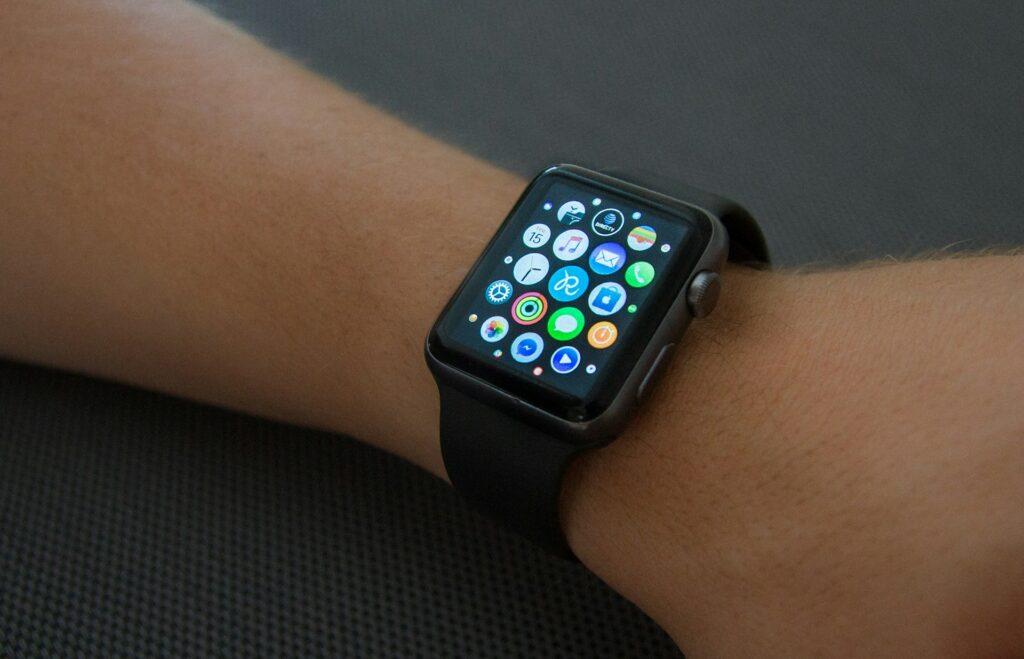
At their core, smartwatches offer a range of features that would make even James Bond jealous. Fitness tracking? Check. Receiving notifications from your phone? You betcha. Running apps right on your wrist? Absolutely! Popular models like the Apple Watch Series 8 and Samsung Galaxy Watch 5 have become household names, offering a seamless blend of technology and style.
But what are the real advantages of sporting a smartwatch? Well, for starters, they’re incredibly convenient. Imagine being able to check your messages, track your steps, and even receive calls without ever having to reach for your phone. It’s like having a personal assistant strapped to your wrist, always there to lend a hand (or should we say a watch face?).
Furthermore, smartwatches have become indispensable for fitness enthusiasts and health-conscious individuals. With built-in sensors and dedicated apps, these nifty devices can monitor your heart rate, track your workouts, and even guide you through breathing exercises. It’s like having a personal trainer on your wrist, motivating you to stay active and achieve your fitness goals.
The Timeless Charm of Traditional Watches
Now, let’s turn our attention to the other side of the coin: traditional watches. These timekeepers have been around for centuries, and their enduring appeal lies in their blend of craftsmanship, style, and timeless elegance.

Unlike their smart counterparts, traditional watches are more than just functional devices; they’re works of art, carefully crafted by skilled artisans and imbued with a rich history and heritage. Brands like Rolex, Omega, and Patek Philippe have become icons in their own right, representing the pinnacle of watchmaking excellence.
But what truly sets traditional watches apart? For one, their design is a testament to timeless style and sophistication. From sleek and minimalist dress watches to rugged and sporty timepieces, these watches offer a level of refinement and elegance that never goes out of fashion. They’re not just accessories; they’re statements of personal taste and a reflection of your individuality.
Moreover, traditional watches often hold significant investment value. With their meticulous craftsmanship and limited production runs certain models can appreciate over time, making them not just timepieces but also valuable collectibles.
Smartwatch vs Traditional Watch: A Comprehensive Comparison
Now that we’ve explored the unique worlds of smartwatches and traditional watches, it’s time to pit them against each other in a head-to-head comparison. Let’s break down the pros and cons of each type to help you make an informed decision.
Smartwatches
Pros
- Packed with features and functionality (fitness tracking, notifications, apps, etc.)
- Seamless integration with your smartphone and other devices
- Constantly evolving technology with regular software updates
- Ideal for fitness enthusiasts and tech-savvy individuals
Cons
- Limited battery life (typically requires daily or frequent charging)
- Potential obsolescence as newer models are released
- Lack of timeless design and investment value
- May not appeal to those who prefer traditional aesthetics
Traditional Watches
Pros
- Timeless design and craftsmanship
- Potential investment value, especially for luxury models
- No need for charging or battery replacement (for mechanical watches)
- Reflect personal style and sophistication
Cons
- Limited functionality beyond timekeeping
- Lack of smart features and connectivity
- Higher price point for quality timepieces
- Require regular maintenance and servicing
Real-life Scenarios
To better understand which type of watch might suit you best, let’s consider a few real-life scenarios:
1. The Fitness Enthusiast
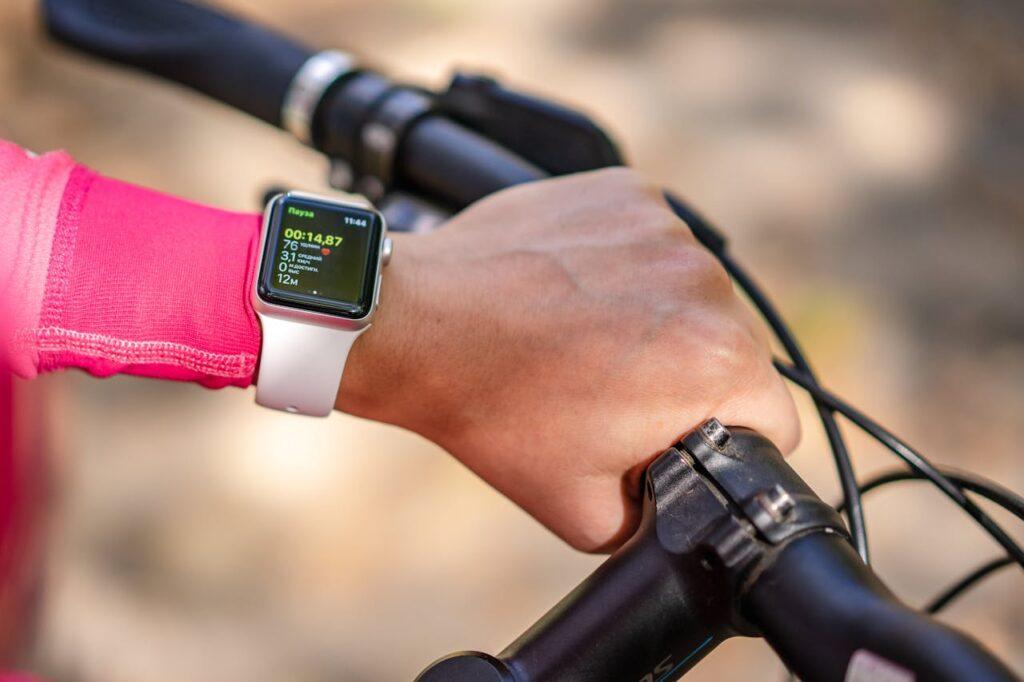
If you’re an avid gym-goer, runner, or cyclist, a smartwatch could be your ideal companion. With its ability to track your workouts, monitor your heart rate, and provide real-time fitness data, a smartwatch can be a powerful motivator and training tool.
2. The Busy Professional
For those with a fast-paced lifestyle and a constant stream of meetings, emails, and notifications, a smartwatch can be a lifesaver. Imagine being able to discreetly glance at your wrist to check important updates without disrupting your flow.
3. The Style-Conscious Individual
If you value timeless elegance and personal style, a traditional watch might be the way to go. Whether you prefer the understated sophistication of a dress watch or the rugged appeal of a sports watch, these timepieces can elevate your outfit and make a statement.
4. The Watch Collector
For those who appreciate the art of watchmaking and see watches as more than just functional accessories, a traditional timepiece could be the ultimate investment. With their meticulous craftsmanship and limited production runs, certain models can appreciate in value over time, becoming true collector’s items.
Conclusion
Well, there you have it, folks – a comprehensive breakdown of the smartwatch versus traditional watch debate. As you can see, both options have their unique strengths and appeal to different lifestyles and preferences.
If you’re a tech-savvy individual who values convenience, connectivity, and fitness tracking, a smartwatch might be the perfect accessory for you. With their ever-evolving features and seamless integration with your other devices, these high-tech timepieces can truly enhance your daily routine.
On the other hand, if you appreciate timeless design, craftsmanship, and the investment value of luxury timepieces, a traditional watch could be the way to go. These elegant masterpieces not only keep time but also serve as a reflection of your personal style and taste.
Ultimately, the choice between a smartwatch and a traditional watch boils down to your individual needs, priorities, and preferences. Take some time to reflect on your lifestyle, budget, and personal aesthetic, and make an informed decision that resonates with you.