
Watch Case Shapes Guide: How to Choose the Perfect Style
In the world of watchmaking, the case shape is a critical element that not only defines the overall aesthetic but also contributes to the overall wearing experience. From the classic round designs to the more avant-garde asymmetrical shapes, each case shape carries its own unique charm and significance. Understanding the nuances of these shapes is essential for watch enthusiasts and collectors alike, as it allows them to appreciate the craftsmanship and design philosophy behind each timepiece.
This ultimate guide to watch case shapes aims to provide a comprehensive overview of the most common and distinctive shapes found in the watchmaking industry. Whether you’re a seasoned collector or a newcomer to the world of horology, this guide will equip you with the knowledge to make informed decisions and truly appreciate the artistry behind these intricate timepieces.
Contents
Common Watch Case Shapes
1. Round/Circular
The round or circular case shape is perhaps the most iconic and widely recognized in watchmaking. Its timeless elegance and versatility have made it a staple in the industry for centuries. This classic shape exudes a sense of simplicity and balance, making it a perfect choice for both formal and casual occasions.
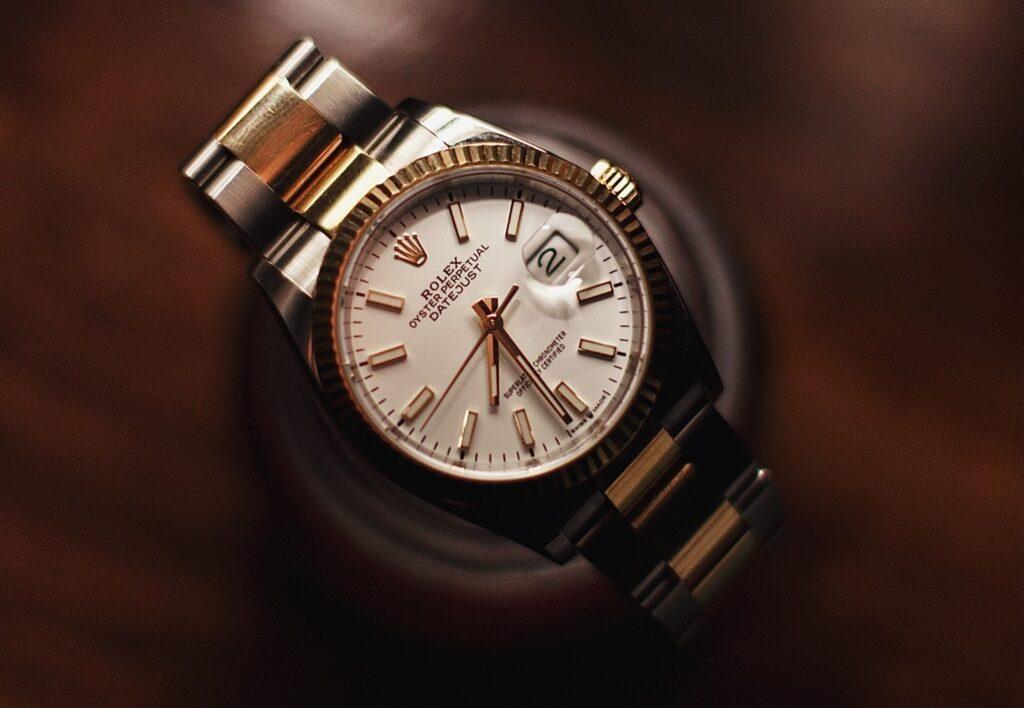
Famous examples of round watch cases include the Rolex Datejust, the Omega Seamaster, and the Cartier Ballon Bleu. These timepieces have become icons in their own right, showcasing the enduring appeal of the round case shape.
2. Rectangular
The rectangular case shape is characterized by its straight lines and angular form. This shape has its roots in the early 20th century and has since become a symbol of sophistication and elegance, making it a popular choice for dress watches.
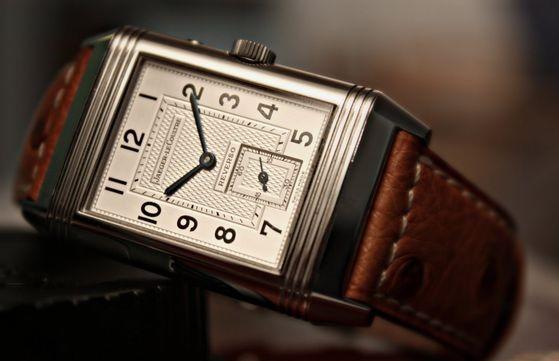
The iconic Cartier Tank is a prime example of a rectangular watch case, with its sleek lines and Art Deco-inspired design. Other notable examples include the Jaeger-LeCoultre Reverso and the Rado Integral.
3. Square
The square case shape is a bold and distinctive choice that has etched its place in watchmaking history. While it may seem like a departure from traditional designs, the square shape has a rich heritage and has been embraced by both luxury and avant-garde watchmakers.
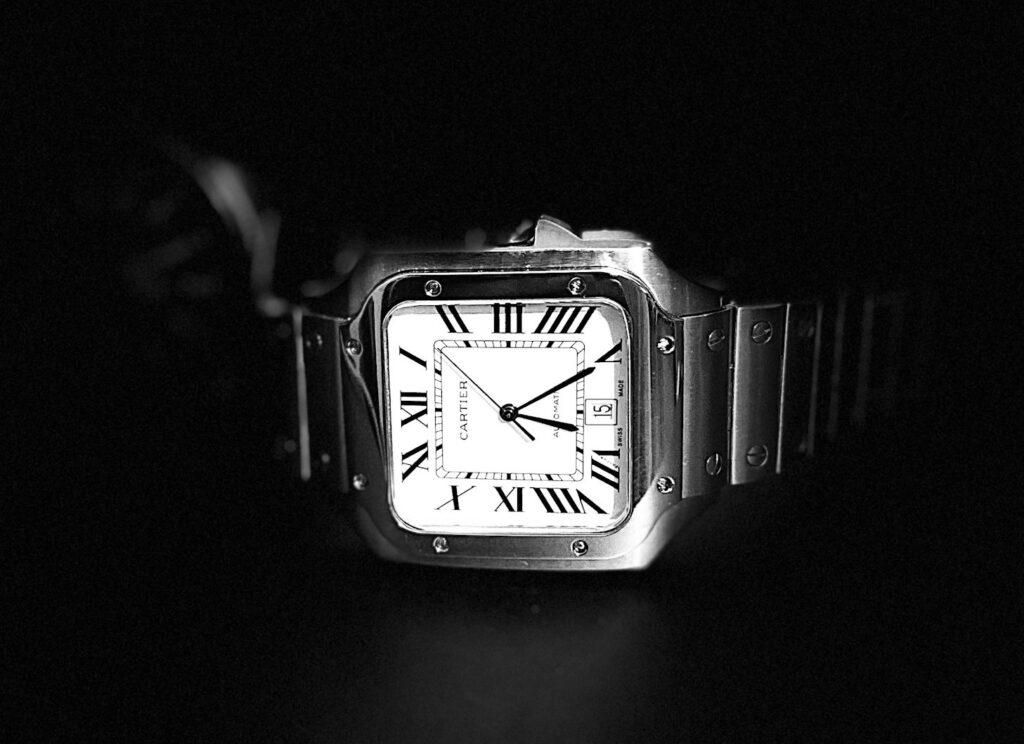
Iconic square watch models include the Cartier Santos, the Bell & Ross BR 01, and the Hermès H-Hour. These timepieces demonstrate the ability of the square shape to make a statement while maintaining a sense of refinement and sophistication.
4. Tonneau
The tonneau case shape, often referred to as a barrel shape, is characterized by its elongated, curved form. This shape is reminiscent of the traditional casks or barrels used for storing liquids, lending it a distinct and sophisticated appeal.
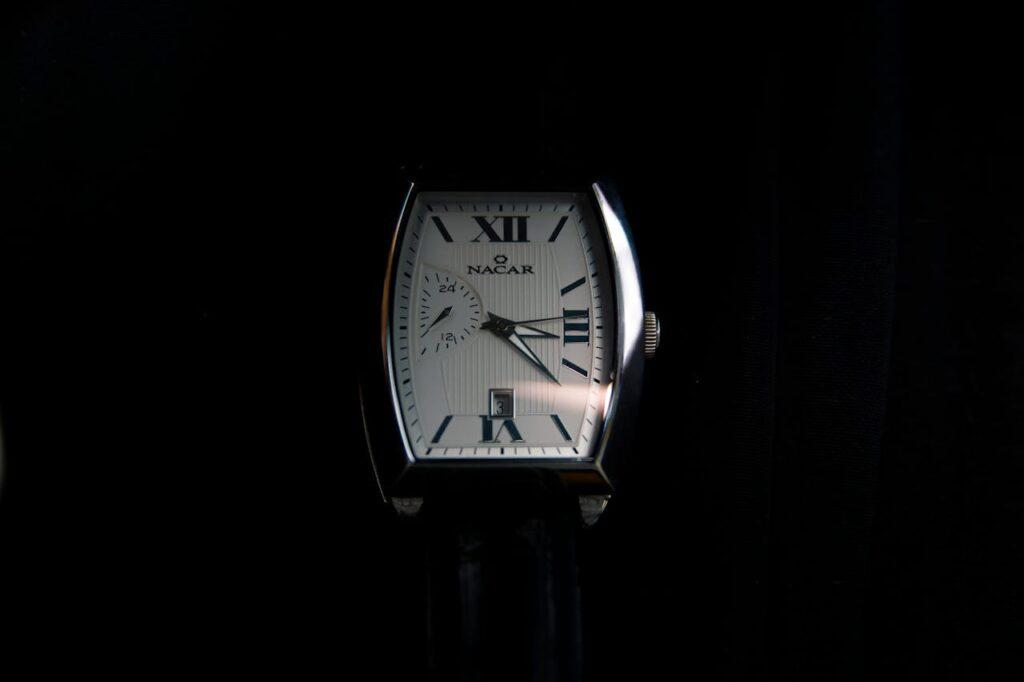
Notable examples of tonneau watches include the Franck Muller Cintree Curvex and the Vacheron Constantin Malte. These timepieces showcase the versatility of the tonneau shape, ranging from classic to contemporary designs.
5. Oval/Elliptical
The oval or elliptical case shape is a unique and elegant alternative to the traditional round designs. This shape offers a graceful curvature that hugs the wrist, providing both comfort and style. Oval/elliptical cases are often associated with a sense of femininity and delicacy, making them a popular choice for women’s watches.
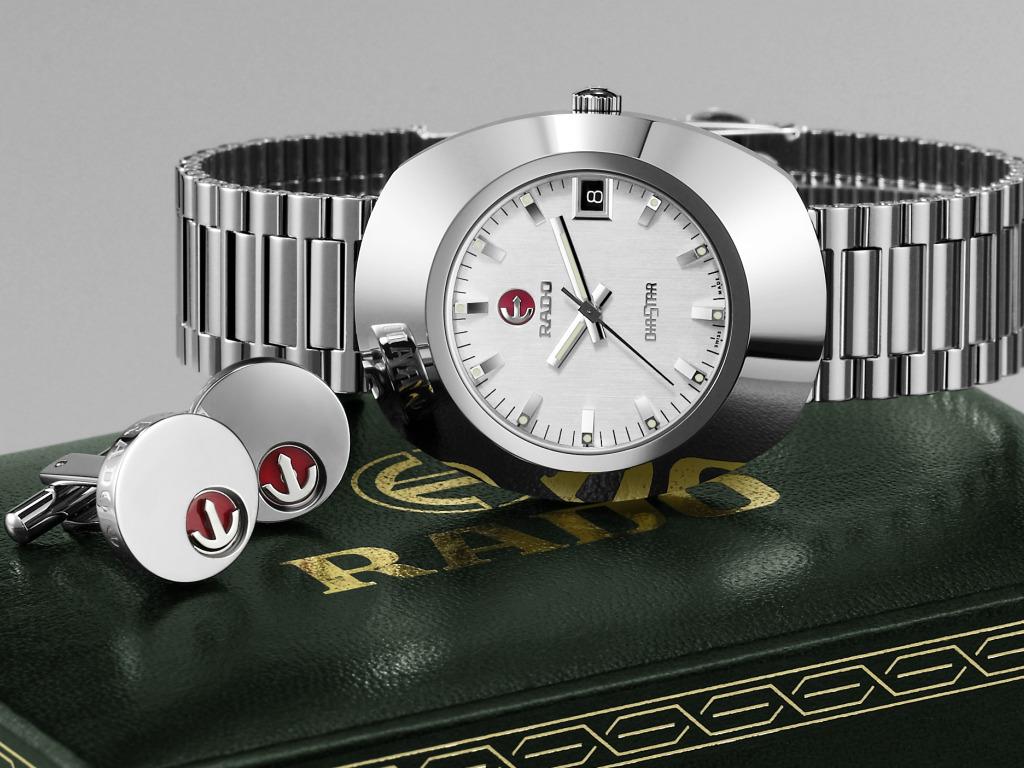
Examples of popular oval/elliptical watch models include the Breguet Reine de Naples, the Cartier Baignoire, and the Rado DiaStar Original. These timepieces showcase the versatility of the oval/elliptical shape, ranging from classic to contemporary interpretations.
Other Unique Case Shapes
While the shapes mentioned above are among the most common, the world of watchmaking is home to a plethora of unique and distinctive case shapes. These include:
- Asymmetrical: Characterized by a lack of symmetry, these unconventional shapes challenge traditional design norms (e.g., Cartier Crash).
- Avant-Garde: Pushing the boundaries of traditional design with bold, experimental shapes that challenge conventions (e.g., Hamilton Ventura).
- Cushion: A hybrid between round and rectangular, the cushion shape features curved edges and a distinctive pillow-like appearance (e.g., Panerai Radiomir).
- Octagonal: Featuring eight sides, the octagonal shape offers a bold and geometric aesthetic (e.g., Audemars Piguet Royal Oak).
These unique shapes showcase the creativity and ingenuity of watchmakers, pushing the boundaries of design and offering timepieces that truly stand out from the crowd.
Case Shape and Wrist Size
When selecting a watch, it’s crucial to consider the relationship between the case shape and your wrist size. A well-proportioned timepiece not only enhances the overall aesthetic but also contributes to comfort and wearability.
As a general rule, individuals with smaller wrists may find round, oval, or rectangular cases more flattering, as they tend to create a balanced and harmonious look. Larger wrist sizes, on the other hand, can often accommodate bolder and more prominent shapes, such as squares or cushions. However, it’s important to note that personal preferences and style should also play a role in the decision-making process.
Case Shape and Style
The case shape of a watch can also influence its suitability for different styles and occasions. While there are no hard and fast rules, certain shapes tend to be associated with specific styles and settings.
Round cases, for example, are often considered the most versatile, seamlessly transitioning from formal to casual settings. Rectangular and tonneau shapes, with their sleek and sophisticated lines, are often favored for formal occasions and business attire.
Square cases, on the other hand, can add a bold and contemporary touch to casual or sports-inspired ensembles. Oval and elliptical shapes, with their graceful curves, are often associated with a more feminine and delicate aesthetic, making them a popular choice for women’s dress watches.
It’s important to remember that personal style and preferences should ultimately guide your choice. A watch is not just a functional accessory but also a reflection of your individuality and taste.
Wrapping Up
The world of watch case shapes is a rich tapestry of design, craftsmanship, and artistry. From the timeless classics to the bold and avant-garde, each shape carries its own unique story and significance.
By understanding the nuances of these shapes, you can truly appreciate the thought and effort that goes into creating these intricate timepieces. Whether you’re a seasoned collector or a newcomer to the world of horology, exploring the diverse range of case shapes can be a fascinating and rewarding journey.
We hope this ultimate guide has provided you with a comprehensive understanding of watch case shapes and has inspired you to explore this captivating aspect of watchmaking further. Share your thoughts, favorite case shapes, and watch models in the comments below – we’d love to hear from you!