
Belt Materials Compared: Leather vs. Fabric vs. Synthetic
Ever stood in front of your closet, belt in hand, wondering if you’ve made the right choice? You’re not alone. Belts might seem like a simple accessory, but choosing the right material can make a world of difference in both style and function. Whether you’re a fashion enthusiast or just someone who wants to keep their pants up, understanding the pros and cons of different belt materials is key.
In this article, we’ll compare the three main contenders in the belt world: leather, fabric, and synthetic materials. By the time you finish reading, you’ll be equipped with all the knowledge you need to pick the perfect belt for any occasion. Let’s buckle up and get started!
Contents
1. Leather Belts
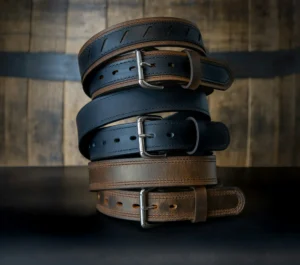
Ah, leather. The classic choice that’s been around since we first figured out how to turn animal hides into durable goods. But not all leather belts are created equal. Let’s break it down:
Types of Leather
Full-grain leather: This is the crème de la crème of leather. It’s made from the top layer of the hide and includes all the natural grain. It’s tough, develops a beautiful patina over time, and screams quality.
Top-grain leather: A step down from full-grain, top-grain leather has the outermost layer sanded off to remove imperfections. It’s still high-quality but less durable than full-grain.
Genuine leather: Don’t let the name fool you. “Genuine” is actually the lowest quality of real leather. It’s made from the leftover bits after the better cuts are used.
Pros of Leather Belts
Durability: A well-made leather belt can last for decades. It’s the marathon runner of belt materials.
Versatility: Leather fits in almost anywhere from the boardroom to the cafe.
Ages well: Like a fine wine, leather often looks better with age, developing character and a unique patina.
Strength: Leather can handle heavy belt buckles and frequent use without stretching out of shape.
Cons of Leather Belts
Price: Quality leather comes at a cost. Your wallet might feel a bit lighter after purchasing a good leather belt.
Maintenance: Leather needs occasional care to stay in top shape. Think of it as a pet that needs grooming.
Environmental concerns: The leather industry has a significant environmental impact, which might be a dealbreaker for some.
Not vegan-friendly: Obviously, this isn’t an option for those avoiding animal products.
Best Uses and Durability
Leather belts shine in formal and business settings. They’re also great for everyday wear if you’re going for a classic look. With proper care, a high-quality leather belt can easily last 10-15 years or more. Just remember to rotate your belts to give them a break between wears.
2. Fabric Belts
Fabric belts are like the easygoing friend who’s always up for anything. They’re comfortable, come in endless varieties, and can add a pop of personality to any outfit.
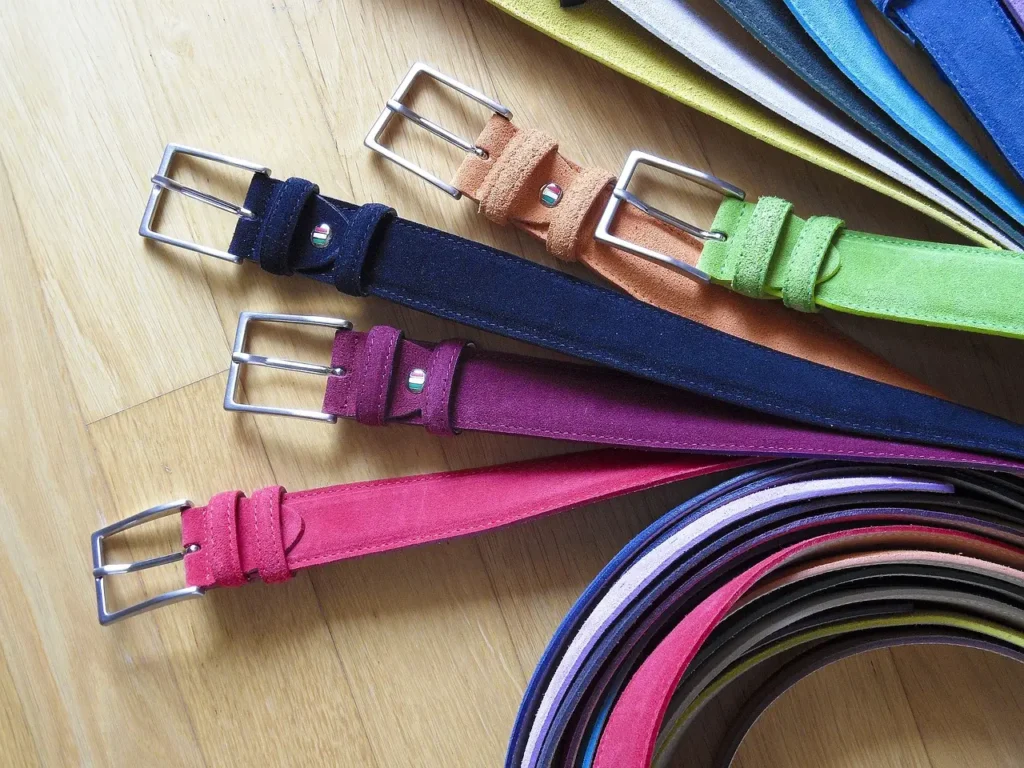
Common Fabrics Used
Cotton: Soft, breathable, and perfect for casual wear.
Nylon: Tough and often used in outdoor or military-style belts.
Canvas: Durable and often seen in a more rugged, casual style.
Pros of Fabric Belts
Comfort: Fabric belts are typically softer and more flexible than leather or synthetic options.
Variety: The sky’s the limit when it comes to colors, patterns, and designs.
Affordability: Generally less expensive than leather, making it easier to own multiple styles.
Lightweight: Ideal for travel or when you want to keep things breezy.
Cons of Fabric Belts
Less formal: Fabric belts are rarely appropriate for formal occasions.
Durability: They typically don’t last as long as leather belts, especially with frequent use.
Can stretch: Some fabric belts may lose their shape over time.
Cleaning: Depending on the material, they can be trickier to clean than leather or synthetic belts.
Best Uses and Durability
Fabric belts are the kings of casual. They’re perfect for summertime, outdoor activities, or adding a bit of flair to a relaxed outfit. While they might not last as long as leather, a good fabric belt can still serve you well for several years. Just be prepared to replace them more frequently if you’re a heavy user.
3. Synthetic Belts
Synthetic belts are the new kids on the block, offering a mix of affordability, durability, and style. They’re often designed to mimic the look of leather while providing some unique benefits.
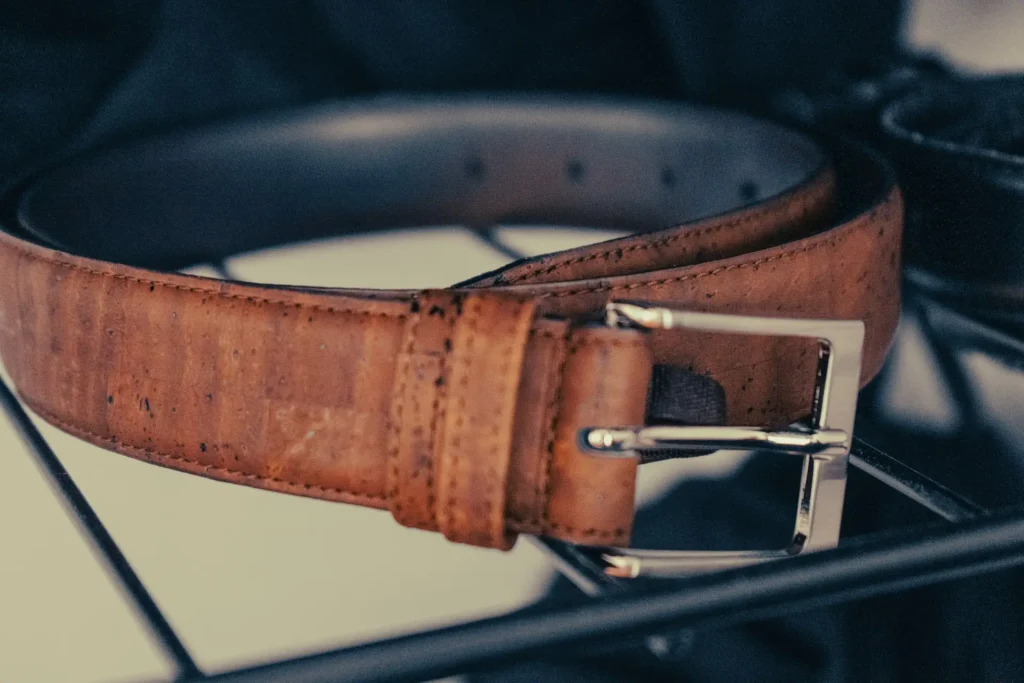
Types of Synthetic Materials
Polyurethane (PU): A plastic material often used to create faux leather belts.
Vinyl: Another common leather alternative, known for its durability and water resistance.
Microfiber: A synthetic material that can closely mimic the look and feel of suede.
Pros of Synthetic Belts
Affordability: Generally less expensive than leather, allowing for more variety in your wardrobe.
Low maintenance: Most synthetic belts are easy to clean and require little upkeep.
Vegan-friendly: A great option for those avoiding animal products.
Water-resistant: Many synthetic materials hold up well in wet conditions.
Cons of Synthetic Belts
Less breathable: Synthetic materials don’t allow air to circulate as well as natural fibers.
Environmental concerns: Most synthetic materials are not biodegradable and contribute to plastic pollution.
Can look cheap: Lower-quality synthetic belts may not have the same refined appearance as leather.
Shorter lifespan: While durable in some ways, they typically don’t last as long as high-quality leather belts.
Best Uses and Durability
Synthetic belts are versatile players in the belt game. They can work well for both casual and semi-formal occasions, depending on the design. They’re particularly useful in situations where your belt might get wet or dirty, like outdoor work or sports. While they won’t last as long as top-quality leather, a good synthetic belt can easily give you several years of use.
Comparison Chart: Leather vs. Fabric vs. Synthetic
To help you visualize the differences, here’s a handy comparison chart: