
The Best Japanese Watch Brands You Need To Know
When it comes to watches, Switzerland often gets all the glory. Rolex, Omega, TAG Heuer – the Swiss churn out some of the most iconic timepieces known to humanity. But across the seas in Japan, watchmaking is just as refined an art form. The Japanese take things to the next level with their meticulous craftsmanship and cutting-edge technology.
In this blog post, we’ll go beyond the realm of Swiss watches and explore some of the top Japanese watch brands that every horology enthusiast needs to know. From Seiko’s iconic dive watches to Citizen’s groundbreaking eco-drive technology, Japan has long been cranking out watches that can compete toe-to-toe with their European counterparts. Strap yourself in, it’s time for a tour of the top watch brands the Land of the Rising Sun has to offer!
1. Seiko
Seiko was founded in 1881 in Tokyo, Japan by Kintaro Hattori. Originally named Seikosha, the company started out by producing clocks. In 1895, Seikosha produced their first pocket watch called ‘Time Keeper’ and in 1913 launched their first wristwatch.
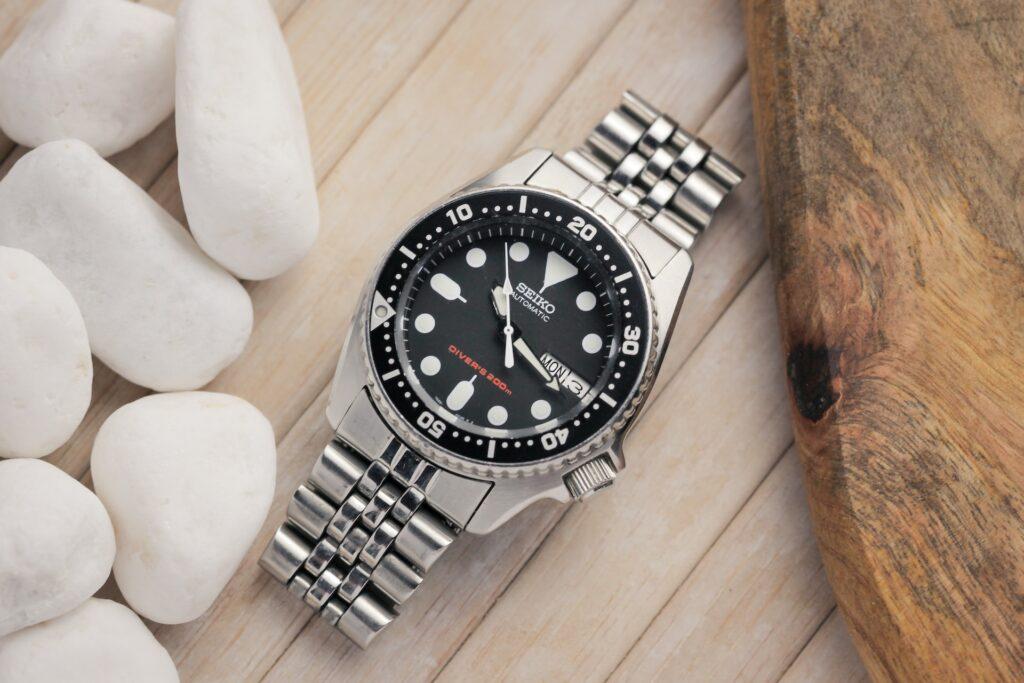
Over the decades, Seiko has achieved many innovations in watchmaking technology. In 1924, they produced their first Seiko-branded wristwatch. One of Seiko’s most iconic innovations was the creation of the world’s first quartz watch called ‘Astron‘ in 1969. This revolutionary watch kept time accurate to +/-5 seconds per month.
Some other notable achievements by Seiko include:
- 1964: Official timekeeper for Tokyo Summer Olympics
- 1982: Launched first TV watch with active matrix LCD technology
- 1988: Developed Spring Drive movement that combines advantages of quartz and mechanical watches
Today, Seiko produces watches across a wide range of styles and prices. Some of their popular collections are:
- Seiko 5 – Entry-level automatic watches ($200 to $500)
- Presage – Mid-range dress watches with Japanese aesthetic designs ($300 to $1000)
- Prospex – High-performance sport and dive watches ($500 to $5000)
- Grand Seiko – Luxury watches made by expert craftsmen in Japan (around $3000 to $50,000)
After over a century of producing watches, Seiko continues to be one of the most innovative and respected Japanese watch brands around the world. Their focus remains on technological advancement and delivering quality timepieces across diverse price segments.
2. Citizen
Based in Tokyo, Japan, Citizen Watch Company has been known for innovation and precision since starting in 1918. Coming from the Shokosha Watch Research Institute, Citizen carved out a place in watchmaking history for itself. This Japanese brand has always pushed the limits on what a watch can be. They constantly aim to make watches that go beyond the usual. With a strong commitment to being excellent watchmakers and a vision to try new things, Citizen has made a huge impact on the world of watches.
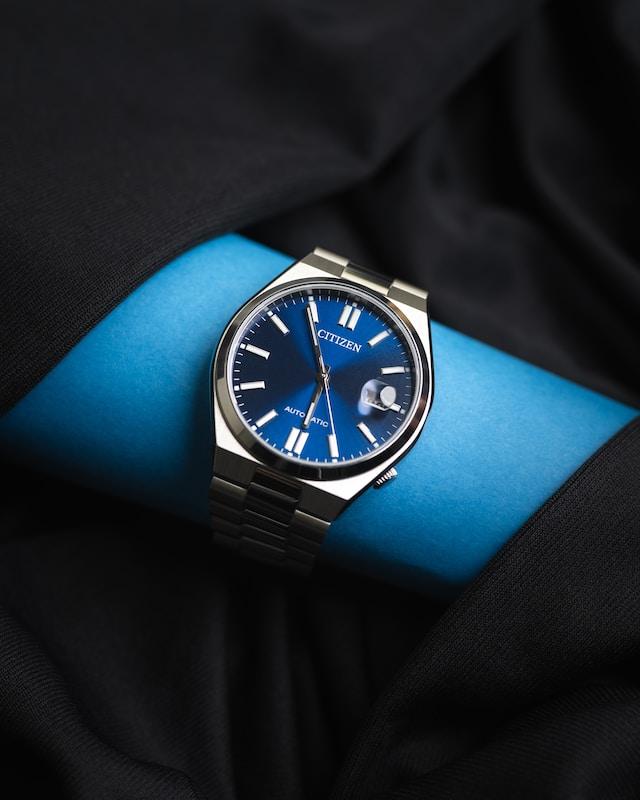
The brand keeps putting its forward-thinking ideas into every unique watch they make. When you look at a Citizen watch, you can see the clever design and high-quality watchmaking behind it. For both Japanese and international watch lovers, Citizen represents creativity and skilled craftsmanship.
Some key facts about Citizen:
- Founder: Shokosha Watch Research Institute
- Current Headquarters: Tokyo, Japan
- Key innovations: world’s first light-powered analog quartz watch (1976)
Citizen has many achievements in watchmaking technology. In 1970, they launched the first titanium-construction quartz watch ‘X-8 Chronometer’. Citizen was also responsible for the world’s first professional dive watch with an electronic depth sensor in 1985.
Some of Citizen’s most popular watch collections today include:
- Eco-Drive – light-powered quartz watches ($200-$600)
- Promaster – sport and dive watches ($300-$1000)
- Nighthawk – pilot watches ($500-$1000)
- Super Titanium – lightweight titanium watches ($500-$2000)
- Chronomaster – high-accuracy quartz watches ($1500-$3000)
Citizen has grown into one of the top watch brands globally. They have a reputation for excellent quality, innovative technology, and affordable luxury. With both quartz and automatic movements, Citizen produces functional yet stylish watches suiting different budgets. After decades of innovation, the brand remains at the forefront of watchmaking.
3. Casio
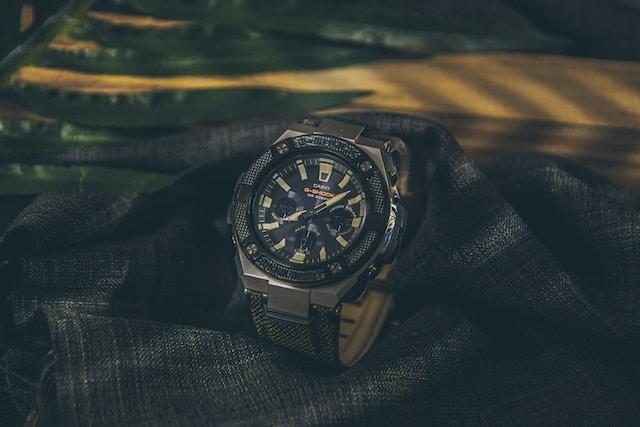
Casio Computer Co. was founded in 1946 in Tokyo, Japan. While they started out making calculators and other electronic devices, Casio entered the watch market in 1974 with the Casiotron, the world’s first wristwatch with an automatic calendar display.
Some key facts about Casio:
- Founders: Tadao Kashio and Toshio Kashio
- Headquarters: Tokyo, Japan
- Key innovations: durable resin cases, solar-powered watches, and shock-resistant designs
Casio made watches affordable and accessible to the masses. They introduced innovative features like calculators, thermometers, and dive functions in their watches. Some notable Casio watch models include:
- 1974: Casiotron, the first digital watch with an automatic calendar display.
- 1983: G-Shock, ultra-durable watch
- 1994: Baby-G, women’s version of G-Shock
- 1995: Wave Ceptor FKT-100L, the first radio-controlled atomic timekeeping watch
Today, Casio produces various types of digital and analog watches at affordable prices:
- G-Shock – rugged, sports watches ($100-$500)
- Edifice – technology-inspired chronographs ($100-$300)
- Vintage – classic digital watch models ($50-$100)
- Youth series – stylish watches for teens ($20-$70)
Known for their innovation and affordability, Casio watches are popular all over the world. The brand continues to evolve and appeal to new generations with its vast range of watches catering to different lifestyles.
4. Orient
The Orient Watch Company was established in 1950 by Shogoro Yoshida in Tokyo with the goal of making high-quality yet affordable mechanical watches. By the 1970s, Orient was producing its own in-house movements and exporting watches worldwide.
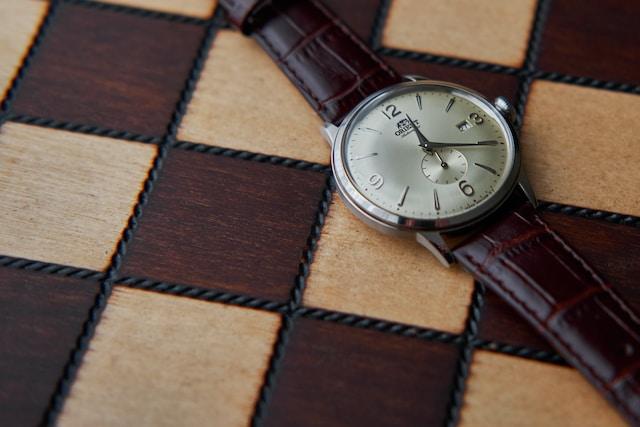
Orient gained renown for its elegant, reliable timepieces and innovations in Japanese watchmaking. In 2009, Orient became a subsidiary of Seiko Epson Corporation. This allowed Orient access to Epson’s technology and resources while maintaining its identity. After years as a subsidiary, Orient was fully integrated into Epson in 2017. Under Epson’s ownership, Orient continues producing quality mechanical watches now with years of expertise in Japanese watchmaking.
Some key facts about the Orient:
- Founder: Shogoro Yoshida
- Headquarters: Tokyo, Japan
- Key innovations: In-house mechanical movements, power reserve indicator
Some of Orient’s most popular watch collections include:
- Bambino – Stylish dress watches ($200-$400)
- Mako – Diving and sports watches ($200-$450)
- Contemporary – Sophisticated dress watches for women ($200-$350)
- Star – Classic watch models with power reserve indicator ($400-$700)
Orient is known for its craftsmanship and value for money. The brand offers automated watches powered by their in-house movements at affordable prices. The designs take inspiration from classic vintage styles.
Today, Orient Watch exports its watches to over 70 countries around the world. They continue to represent Japanese excellence in mechanical watchmaking for the masses. With years of watchmaking expertise, the brand caters to discerning watch enthusiasts looking for quality and value.
Learn More: Is Orient a Good Watch Brand?
5. Grand Seiko
Grand Seiko was established in 1960 as a subsidiary of Seiko in Japan. It was founded to create high-end watches that could compete against Swiss watches.
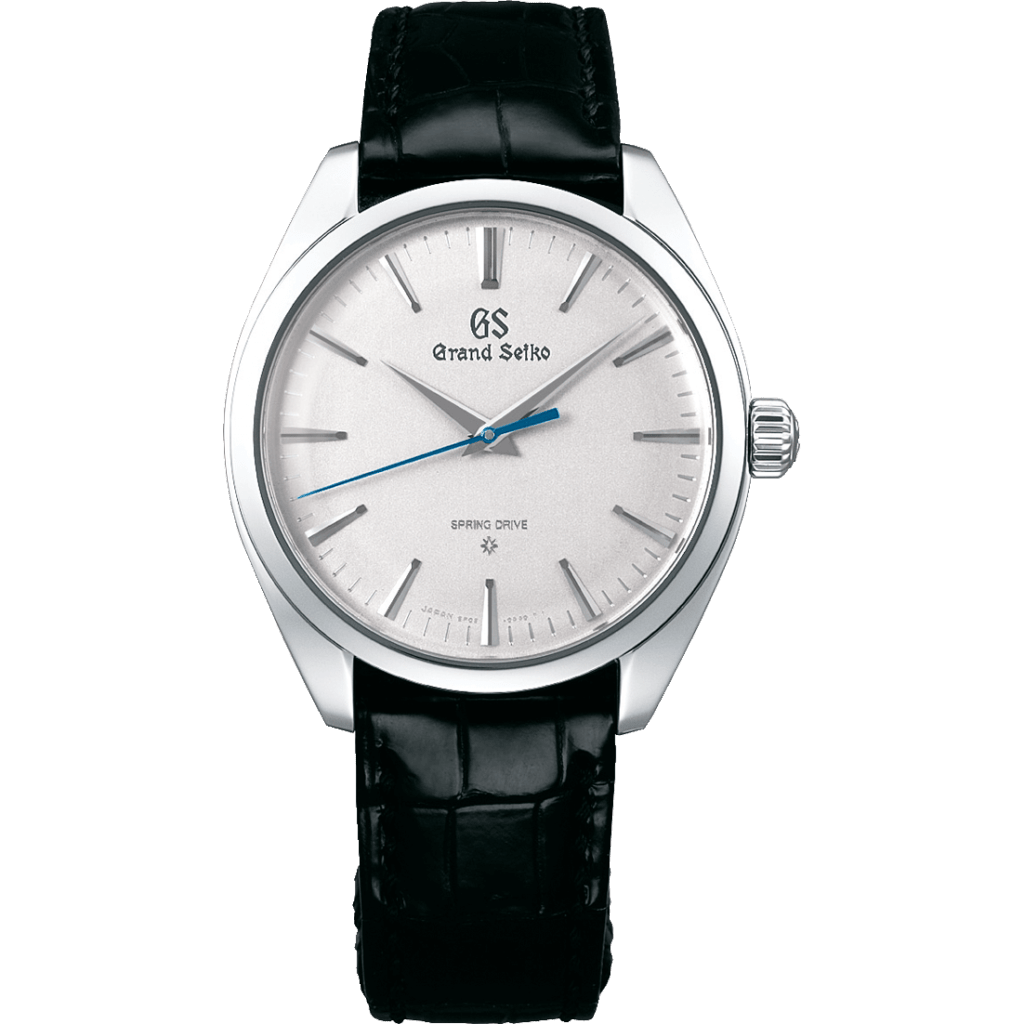
Some key facts about Grand Seiko:
- Headquarters: Shiojiri, Japan
- Movements: In-house mechanical, Spring Drive, quartz
- Key innovations: High-beat movements, Zaratsu polishing, Spring Drive technology
Grand Seiko pioneered innovations in accuracy, durability, and finishing. Their high-beat 9S mechanical movements operate at 36,000 vibrations per hour, delivering precision to -3/+5 seconds per day.
Grand Seiko is renowned for its Zaratsu polishing technique that results in distortion-free mirrored finishes on cases and dials. The brand also introduced the innovative Spring Drive movement that combines the traditional mechanical gear train with a unique quartz oscillator, resulting in a smooth second hand sweep and remarkable accuracy—unlike conventional mechanical watches.
Some iconic Grand Seiko collections include:
- Heritage Collection – Vintage-inspired dress watches
- Sport Collection – Precision chronographs and dive watches
- Elegance Collection – Thin and delicate dress watches for women
Grand Seiko timepieces range from around $3,000 to over $50,000 for limited editions. They are entirely hand-assembled by skilled craftsmen called Takumi in Japan.
Today, Grand Seiko is recognized as one of the leading luxury watch brands, representing the pinnacle of Japanese watchmaking. Their timepieces reflect a dedication to precision, aesthetics, and craftsmanship.
6. Credor
Credor was established in 1974 in Shiojiri, Japan as a dedicated brand to create the finest handcrafted watches.
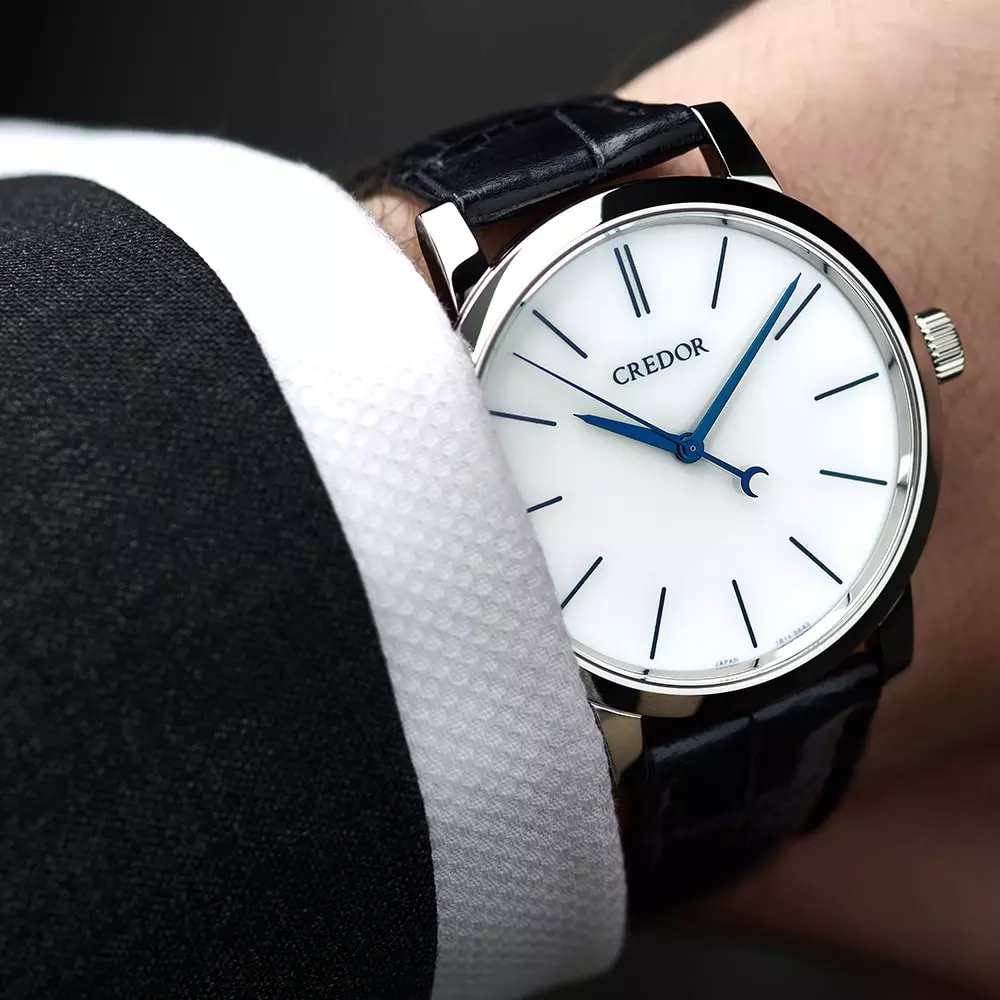
Some key facts about Credor:
- Parent Company: Seiko Holdings Corporation
- Movements: In-house mechanical
- Limited production: Only a few hundred watches per year
- Price range: $10,000 to over $300,000
Credor watches showcase the highest level of artistry, craftsmanship, and intricacy from Japanese watchmakers.
- Hand-engraved motifs, sculpted gold cases
- Enamel, urushi lacquer, mother-of-pearl dials
- Skeletonized, hand-wound mechanical movements
- Highly complex indications like Grande Sonnerie, and Minute Repeater
Note: Urushi lacquer, a form of traditional Japanese lacquerware, is often used to decorate dials, giving them a deep, lustrous finish that is highly prized for its craftsmanship.
Credor is admired for sticking to traditional Japanese aesthetics and crafts like calligraphy, engraving, and lacquer work. Some famous Credor collections include:
- Eichi – Ultra-thin watches with hand-finished movements
- Fugaku – Hand-engraved tourbillon watches
- Phoenix – Women’s watches decorated with gems and enamel
With only a few thousand timepieces created, Credor watches are prized by collectors across the world. They represent the pinnacle of artistic horology showcasing Japanese ingenuity, aesthetics, and craftsmanship.
Conclusion
Japanese watchmakers like Seiko, Citizen, Casio, and Orient have made tremendous contributions to horology. With a dedication to excellence and innovation, these Tokyo-based brands have pioneered new technologies like quartz, kinetic, and solar-powered movements. They’ve also mastered the art of crafting affordable mechanical watches.
From utilitarian timepieces to high-end masterpieces, Japanese watches cater to all tastes and budgets. Whether you seek a durable beater watch or a hand-assembled grande complication, Japan delivers exceptional value. With their watchmaking prowess, attention to detail, and pride in workmanship, Japanese brands have rightfully earned worldwide respect. For watch enthusiasts who appreciate groundbreaking technology, reliable movements, and artisanal construction, Japanese watches are sure to impress.
FAQs
A: Yes, Japanese watches are known for excellent quality and precision thanks to advanced manufacturing techniques and stringent quality control. Brands like Seiko, Citizen, and Casio make watches that can last decades with proper care.
The most expensive Japanese watch brand is Credor, known for its ultra-luxury timepieces that feature intricate craftsmanship, hand-engraving, and complex complications like tourbillons and minute repeaters. Prices for Credor watches can exceed $300,000 for limited-edition models.
A: Japanese movements are very accurate and reliable, especially quartz and solar-powered movements from Seiko and Citizen. However, Swiss mechanical movements are also superbly crafted and revered for their tradition and prestige.
A: It depends on your budget and preferences. For affordable excellence under $1000, Japanese watches offer great technology and value. Luxury Swiss watches over $1000 emphasize status and sentimental value for collectors. Consider what qualities matter most to you.
A: Yes, affordable Japanese watch brands like Seiko, Citizen, and Casio offer exceptional value for money, combining reliable craftsmanship, innovative technology, and durability. These brands deliver high-quality timepieces at accessible prices, making them a great choice for both beginners and watch enthusiasts.