
The Ultimate Guide to Sunglasses Lens Coatings and Treatments
Ever wonder why some sunglasses cost as much as a fancy dinner, while others are cheaper than a coffee? Well, it’s not just about the brand name or how cool they look. The real magic happens in the lenses – specifically, the coatings and treatments they get.
Think of these coatings as superpowers for your shades. They’re invisible layers that do everything from blocking nasty UV rays to cutting down glare when you’re cruising down the highway. Some even repel water droplets or change tint based on how bright it is outside.
In this guide, we’ll break down the most common types of lens coatings and treatments available, helping you understand how they work and why they matter. By the time you finish reading, you’ll know exactly what to look for in your next pair of sunglasses. No more guessing games or falling for fancy marketing lingo – just straight-up, useful info to help you protect your eyes and look good doing it.
Ready to become a sunglasses pro? Let’s get started!
Contents
- 1. UV Protection: Your Eyes’ Best Friend
- 2. Anti-Reflective Coatings: See Clearly, Look Sharp
- 3. Scratch-Resistant Coatings: Toughen Up Your Lenses
- 4. Polarized Lenses: Cut the Glare
- 5. Mirror Coatings: Style Meets Function
- 6. Hydrophobic Coatings: Repel Water and Smudges
- 7. Photochromic Lenses: Adapting to Light
- Choosing the Right Coatings for You
- Wrapping It Up
- Frequently Asked Questions
1. UV Protection: Your Eyes’ Best Friend
Let’s kick things off with the MVP of lens coatings – UV protection. You’ve heard it a million times: UV rays are bad news for your eyes. But what exactly are we dealing with here?
UV rays are invisible light waves from the sun that can damage your eyes over time. We’re talking about increased risk of cataracts, macular degeneration, and even eye cancers. Not exactly the souvenir you want from a day at the beach.
Here’s where UV coatings come in. They act like a force field, blocking these harmful rays before they reach your eyes. The best part? This coating is clear, so it doesn’t affect the look of your shades.
Pro tip: Look for sunglasses that block 99-100% of both UVA and UVB rays. Anything less is just not worth it.
Recommendation: The Ray-Ban Classic Wayfarer sunglasses are a timeless choice with 100% UV protection. Plus, they look damn good on just about everyone.
2. Anti-Reflective Coatings: See Clearly, Look Sharp
Ever caught yourself squinting behind your shades? Blame reflections. Anti-reflective (AR) coatings are the unsung heroes of the lens world.
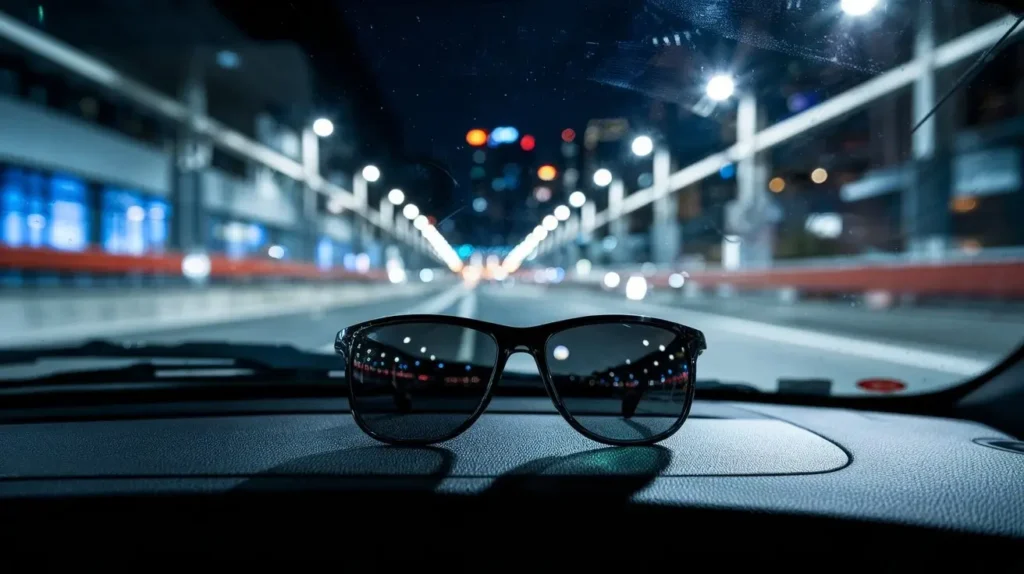
Here’s what they do:
- Reduce glare from light bouncing off the back of your lenses
- Minimize halos around lights at night (great for driving)
- Make your eyes more visible to others (hello, eye contact)
But the benefits don’t stop there. AR coatings also:
- Reduce eye strain during long days outdoors
- Improve the aesthetics of your shades (no weird reflections in photos)
- Enhance the clarity of your vision
If you’re constantly on the road or spend a lot of time near water, AR coatings are a game-changer.
Recommendation: Check out the Maui Jim World Cup sunglasses with an anti-reflective coating. They’re perfect for driving and water sports.
3. Scratch-Resistant Coatings: Toughen Up Your Lenses
Let’s face it – we’re not always gentle with our shades. They get tossed in bags, dropped on tables, and sometimes even sat on (oops). That’s where scratch-resistant coatings come in handy.
These coatings add a hard layer to your lenses, making them more resistant to everyday wear and tear. But here’s the kicker – they’re not scratch-proof. Think of them as armor, not a force field.
The benefits are pretty straightforward:
- Longer-lasting lenses
- Clearer vision (scratches can distort your view)
- Better resale value if you’re into designer shades
A word to the wise: Even with scratch-resistant coating, treat your shades with care. Use a protective case when you’re not wearing them.
Recommendation: The Ray-Ban Predator 2 comes with an excellent scratch-resistant coating. They’re an investment, but they’ll last you years.
4. Polarized Lenses: Cut the Glare
Now we’re getting into the good stuff. Polarized lenses are like noise-canceling headphones for your eyes. They filter out horizontal light waves, which are the main cause of glare.
Here’s what polarization does for you:
- Reduces eye strain
- Enhances contrast and clarity
- Minimizes reflections from water, snow, and glass
Polarized lenses are a must-have for:
- Driving (especially around water or in snowy conditions)
- Fishing (you can see beneath the water’s surface)
- Snow sports (reduces glare from the snow)
But they’re not perfect for everyone. Polarized lenses can make it harder to read LCD screens, and they might affect how you perceive depth while skiing.
Learn More: Polarized vs. Non-Polarized Sunglasses: Which Is Right for You?
Recommendation: For the best-polarized experience, try the Costa Del Mar Fantail sunglasses. They’re a favorite among anglers and beach-goers alike.
5. Mirror Coatings: Style Meets Function
Mirror coatings are the show-offs of the lens world. They’re that flashy, reflective finish you see on many sports and fashion sunglasses. But they’re not just about looks.

Benefits of mirror coatings:
- Reduce the amount of light entering your eyes
- Great for very bright conditions (think snow or water)
- Add a layer of privacy (people can’t see your eyes)
Mirror coatings come in various colors, from subtle silver to bold blue or red. The color doesn’t affect performance – it’s all about your style.
Keep in mind: Mirror coatings can scratch more easily than other types. Handle with care!
Recommendation: The Smith Lowdown 2 sunglasses offer a range of mirror coating options and look great for both sports and casual wear.
6. Hydrophobic Coatings: Repel Water and Smudges
Ever been caught in the rain with your shades on? Or had them fog up when you step out of an air-conditioned building? Hydrophobic coatings are here to save the day.
These coatings make water bead up and roll off your lenses. But that’s not all – they also repel oils, making them resistant to fingerprints and smudges.
Benefits of hydrophobic coatings:
- Clearer vision in wet conditions
- Easier to clean
- Less likely to fog up
If you’re into water sports or live in a rainy climate, hydrophobic coatings are a no-brainer.
Recommendation: The Peppers Cutthroat Sunglasses come with a hydrophobic coating. They offer good quality at an affordable price.
7. Photochromic Lenses: Adapting to Light
Photochromic lenses are the chameleons of the eyewear world. They darken when exposed to UV light and clear up when you’re indoors. It’s like having two pairs of glasses in one.
How they work:
- Special molecules in the lens react to UV light
- The molecules change the structure, causing the lens to darken
- When UV light is absent, the process reverses
Pros of photochromic lenses:
- Convenience (no need to switch between sunglasses and regular glasses)
- Automatic adjustment to light conditions
- UV protection
Cons to consider:
- They may not darken as much in a car (windshields block some UV)
- The change isn’t instant (it takes a few minutes)
- They might not get as dark as traditional sunglasses
Recommendation: For a stylish pair of photochromic sunglasses, check out the Serengeti Classic. They’re perfect for those who are always on the go.
Choosing the Right Coatings for You
Now that we’ve covered the main players in the coating game, how do you decide what’s right for you? Here are some factors to consider:
- Lifestyle: Are you an outdoor enthusiast or more of a casual wearer?
- Climate: Do you live somewhere sunny, rainy, or with extreme weather?
- Activities: Are you into sports? Do you spend a lot of time driving?
- Budget: Some coatings add to the cost of your shades
Remember, you can often combine coatings. For example, you might want polarized lenses with an anti-reflective coating and UV protection.
Here are some common combinations:
- For drivers: Polarized + Anti-reflective + UV protection
- For water sports: Polarized + Hydrophobic + Mirror coating
- For everyday wear: UV protection + Scratch-resistant + Anti-reflective
Wrapping It Up
There you have it – the lowdown on sunglasses lens coatings and treatments. From UV protection that guards your eyes to mirror coatings that amp up your style, these technologies make a big difference in how your shades perform.
Remember, the best sunglasses are the ones that fit your lifestyle and needs. Don’t be afraid to invest in quality – your eyes are worth it.
Frequently Asked Questions
Q: Can I add coatings to my existing sunglasses?
A: In most cases, no. Coatings are typically applied during manufacturing. For major changes, it’s usually best to buy a new pair.
Q: Do all sunglasses have UV protection?
A: Not necessarily. Always check the label or ask the seller to be sure.
Q: Can I wear polarized sunglasses while using electronic devices?
A: You can, but polarized lenses might make it harder to read some LCD screens. If you’re constantly checking your phone or other devices, consider non-polarized options.
Q: How long do lens coatings typically last?
A: With proper care, most coatings can last for the life of the sunglasses. However, some, like mirror coatings, may be more prone to wear over time.
Q: How do I know if my sunglasses’ anti-reflective coating is wearing off?
A: Signs that your anti-reflective coating is wearing off include seeing more reflections in your lenses, noticing a hazy or cloudy appearance, or observing a subtle rainbow effect on the lens surface. If you notice these signs, it might be time to consider replacing your sunglasses.
Q: Can I use regular eyeglass cleaner on sunglasses with special coatings?
A: Most eyeglass cleaners are safe to use on coated lenses. However, it’s always best to check the product label or consult with your eyewear provider. For hydrophobic or oleophobic coatings, using a cleaner specifically designed for these coatings can help maintain their effectiveness longer.
Q: Do lens coatings affect the color or tint of my sunglasses?
A: Most lens coatings, such as UV protection, anti-reflective, and scratch-resistant coatings, don’t affect the color or tint of your lenses. However, mirror coatings and certain specialized tints (like blue-light blocking coatings) can alter the color appearance slightly. Polarized coatings might make colors appear more vivid but don’t change the base tint of the lens.